

What Is Amazon FBA? Costs, Benefits and Alternatives for UK Sellers in 2026
Amazon FBA, short for "Fulfilment by Amazon", remains one of the most talked-about business models in UK ecommerce. But with fees shifting, competition intensifying and new rules dropping regularly, the real question for 2026 is: is it still actually worth it?
In this guide you will get a clear, up to date picture of everything that matters. We cover how FBA works in the UK, what it costs right now, what has changed in the past twelve months, the genuine pros and cons, and what your alternatives are if FBA does not fit your business. Whether you are just starting out or reconsidering your current setup, you will find the answers here. Let us get into it!
The latest updates to Amazon FBA for 2026
Here are the most important changes UK FBA sellers need to know right now:
1. Major fee reductions from December 2025
- Amazon has made one of its largest ever fee cuts for European sellers, averaging £0.15 less per unit sold across Europe including the UK. FBA parcel fees specifically dropped by an average of £0.26 per unit from 15 December 2025.
- Referral fees also fell in key categories:
- Clothing and Accessories up to £15 dropped from 8% to 5%,
- items between £15 and £20 from 15% to 10%.
- From February 2026, Home Products up to £20 moved to 8%,
- Pet Clothing and Food up to £10 to 5%,
- and Grocery and Vitamins up to £10 to 5%.
- The Low-Price FBA programme now covers all products at or below £20, saving sellers an average of £0.40 per unit. Particularly useful for beauty, supplements and household basics.
2. Fuel and logistics surcharge from 17 April 2026
- From 17 April 2026 Amazon added a 1.5% fuel and logistics surcharge to all FBA fulfilment fees in the UK, averaging around £0.05 per unit. It applies to fulfilment fees only, not the sale price. Described as temporary, but build it into your cost planning until told otherwise.
3. Digital Services Fee for EU sales
- From 20 March 2026, UK-based sellers pay a 3% surcharge on their Amazon and FBA fees for sales in France, Italy and Spain. If you use Pan-European FBA this affects your per-country margins and needs to be reflected in your pricing model.
4. Low-Stock Fee and changed reimbursement rules
- If your inventory drops below 28 days of cover, a Low-Stock Fee of £0.20 to £0.70 per unit applies.
- On top of that, Amazon changed its reimbursement policy in March 2025: lost or damaged stock is now compensated at manufacturing cost, not market value. Enter your manufacturing costs in Seller Central under Manage Your Manufacturing Cost or Amazon will estimate them, usually 20 to 30% too low.
5. Competition keeps rising
- Amazon holds around 30% of the UK ecommerce market and over 85,000 active FBA sellers are competing on amazon.co.uk alone. Generic products feel the pressure most. A clear niche, strong brand and quality listings are no longer optional if you want to stand out.
6. AI tools and new technology
- Amazon's AI-powered listing tools are improving fast and are worth using actively to optimise titles, bullets and keywords. 3D product views and early AR features are rolling out in eligible UK categories and can meaningfully improve conversion rates for the right products.
How to get started with Amazon FBA in three steps:
- Register online in the Seller Center as an FBA merchant,
- List your products,
- and send them to Amazon's fulfilment centres.
Amazon will store your items and automatically take care of all incoming orders. Your job is to market your products on the sales platform and keep Amazon's inventory well stocked.
How much money do I need to start successfully with Amazon FBA?
The amount of Amazon FBA start-up capital you need depends on the size of your business and the products you want to sell. In the following section you will find general information about the costs and fees for Amazon's FBA service.
- We recommend a minimum of £5,000 in start-up capital if you want to enter the Amazon business as a growing company and aim for long-term profitability. This amount also includes various overhead costs that you should consider.
Expenses other than Amazon FBA fees include:
- Business registration (varies)
• Depends on your structure in the UK (sole trader, partnership or limited company)
• Registration as a sole trader is free, setting up a Ltd usually costs a small Companies House fee - Registration as a "Professional" seller in the Amazon Seller Account
• £25 per month plus VAT
• Makes sense if you sell more than roughly 35 units per month
• Otherwise the Individual plan charges £0.75 per sale - Marketing costs (varies, approx. >10% of the value of goods at the beginning)
• Early-stage advertising on Amazon UK often ranges between 10% and 20% of product value
• Stronger niches may require higher PPC spend to rank early
• Additional costs possible for influencers, off-Amazon ads or external traffic - Costs for products, orders, shipping to Amazon and customs fees (varies greatly depending on the product)
• Includes manufacturing costs, MOQs, packaging and branding
• Shipping to UK fulfilment centres can vary widely depending on size, weight and Incoterms
• Customs duties depend on product type and country of origin - Application for barcodes and EORI/EAN number for product identification and customs clearance (varies)
• EORI number in the UK is free when applying through HMRC
• Barcodes (EAN/UPC) must be purchased from GS1 UK or authorised resellers
• Costs vary depending on the number of barcodes and membership structure - Possible import VAT depending on product and applicable law in your country
• Standard UK VAT rate is 20% on most imported goods
• Import duty depends on the exact product category
• VAT-registered sellers can usually reclaim Import VAT in their VAT return
In addition, there are other running costs for your Amazon business, such as:
- Accounting
- Product photos
- Employees
- Licenses
- Certificates
- Sample products
- Amazon Seller Tools
- Flyers and other promotional material
- Trademark application
Here's how Amazon FBA exactly works
As soon as a customer places an order the product is automatically registered in the system and taken out of your seller inventory. Amazon handles the entire process including returns and customer support.
This means you can focus on product development and growing your business while Amazon takes care of the logistics and keeps everything running smoothly.
This is how things usually work with Amazon:
- You send your products to an Amazon fulfilment centre
- … they store your stock in the warehouse.
- As soon as customers buy your items on Amazon
- … Amazon automatically picks, packs and ships the parcels and handles the whole process including invoicing.
- Amazon also takes care of customer service if there are any issues
- … and processes all returns for you.
- Every two weeks Amazon transfers your collected payouts to your bank account.
In the video: A quick overview, how Amzon's FBA programme works and what you need to do.
Obviously, Amazon doesn't do this for free. Various fees apply depending on quantity, size and weight. You pay a certain amount for storage fees and shipping costs. However, the shipping costs are relatively cheap, since Amazon, as the world's largest shipping platform, has negotiated specific contracts with most shipping service providers.
The costs of Amazon FBA 2026: the latest updates, start-up capital and profitability
Important note up front: The costs for Amazon FBA vary and depend on several factors, including the size and weight of your products, how long they stay in storage and the speed of shipping.
In general, the following Amazon FBA fees apply:
- Amazon Seller Account: You pay £25 per month plus VAT for your Professional seller account on Amazon UK.
- Referral fees: These usually range between 8 percent and 15 percent depending on your category.
- Storage fees: These vary based on product size, weight and season. Keeping an eye on dimensions and weight is important because both affect your monthly storage costs.
- Fulfilment fees: These depend on size and weight and include picking, packing and shipping.
- Refund administration fees: If a return happens Amazon keeps the lower amount of either £5 or 20 percent of the original referral fee.
- Additional service fees: Extra fees may apply for certain categories or optional services such as labelling or product preparation.
The main costs come from storage fees which depend on how many items you hold and how large they are plus the fulfilment fees for shipping and packing.
Additional costs may arise from optional services such as labelling, prep work or removal orders. Your required start-up capital for Amazon FBA also varies widely. It includes sourcing your products, shipping them to Amazon’s UK fulfilment centres, your initial FBA fees and your marketing budget. Careful planning is essential because your early investment sets the foundation for future growth.
The Latest Adjustments to Amazon FBA Fees
From 17 April 2026 the 1.5% fuel surcharge is added on top of fulfilment fees across the UK. Beyond that, the biggest structural changes since late 2025 are as follows:
- FBA parcel fulfilment fees down by an average of £0.26 per unit in the UK from 15 December 2025
- Referral fees reduced in Clothing and Accessories, Home Products, Pet Food and Grocery categories
- Low-Price FBA now covers all products at or below £20, saving an average of £0.40 per unit
Storage, return-to-seller and liquidation fees were selectively increased; Net result: an average saving of £0.15 per unit for UK sellers, though this varies by category, size and price point
All costs with all Amazon FBA fees can be found here in the cost breakdown of your seller account at Amazon. It is important to take these costs into account when pricing your products!
Important to know: If you ship your products via Amazon FBM (Fulfilment by Merchant), the storage and shipping fees are waived because you take over these tasks yourself or entrust them to a fulfilment company of your choice - such as Quivo.
How to save on Amazon FBA fees
To minimise your Amazon FBA fees, you basically have several options:
- Storage: In order to minimise inventory and thus reduce Amazon storage fees, you can use your own warehouses or interim storage facilities, which can be significantly cheaper. Especially with larger products, this can lead to considerable savings and you can still take advantage of Amazon's FBA service.
- Pricing: You can influence your profit margin, and therefore the fees charged, by adjusting the selling price of your product accordingly. Strategic pricing can reduce the impact of FBA fees.
- Packaging: Compact and effective packaging of your products will result in them falling into a lower shipping category, resulting in lower shipping costs. By optimising Amazon packaging, you can both improve customer engagement and reduce your costs.
- Product optimisation: By constantly optimising your products, you contribute to continuously reducing your costs. This can be done, for example, by finding cheaper suppliers, improving product quality or using cheaper materials or production methods.
- Sales optimisation: By increasing your sales figures, you can reduce the FBA fees in relation to your turnover. Invest in targeted marketing and optimise your listing to reach more potential Amazon buyers and increase your sales opportunities.
Amazon FBA UK Revenue Calculator
Before starting your Amazon business, make sure you do a thorough calculation of the costs!
- Use either the official calculator in Amazon's Seller Central or one of the many FBA calculators available from other providers on the internet.
An accurate cost analysis will allow you to identify potential savings and create a solid foundation for your pricing and business strategy!
The advantages of Amazon FBA:
Extended Reach and Visibility:
- Access to a huge customer base: Amazon FBA gives businesses the chance to benefit from Amazons massive reach and connect with millions of customers worldwide.
- Increased visibility on the Amazon platform: Products fulfilled through FBA often appear higher in search results and qualify for Prime delivery which boosts visibility and makes them more appealing to Prime customers.
Simplified Logistics and Fulfilment:
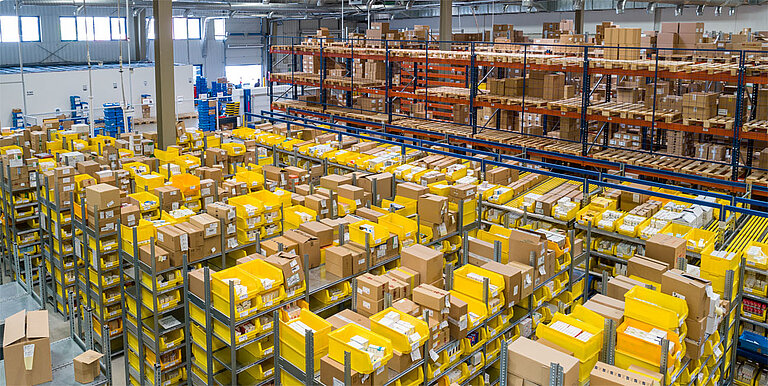
- Storage and shipping handled by Amazon: Amazon takes care of all storage, picking, packing and shipping which massively reduces the logistical workload for your business.
- Business scalability: Companies can scale more easily because they use Amazons fulfilment capacity and infrastructure which is especially useful for brands with seasonal demand.
Improved Customer Support:
- Reliable customer service and returns: Amazon provides professional customer support and efficient returns handling which can lead to higher customer satisfaction and stronger customer loyalty.
International Selling:
- Easy access to international markets: With Amazon FBA businesses can expand into new markets more easily since Amazon supports the international logistics and customer service.
Cost and Time Efficiency:
- Reduced operational costs: Outsourcing storage and fulfilment to Amazon can reduce operational expenses.
- Time savings: Businesses save time on order processing and can focus more on other areas such as product development and marketing.


The disadvantages of Amazon FBA:
No two companies are the same and requirements can vary greatly. Here are some of the most common disadvantages of Fulfilment by Amazon:
- Storage at Amazon:
Like most fulfilment providers, Amazon doesn't like it when there's too little movement in their warehouses. If products sit unsold for too long, storage fees become more expensive. It is important to note this and, if necessary, to calculate it – or you monitor your stock continuously and precisely so that your storage costs do not get out of hand.
You must also ensure that the products you sell through Amazon meet a precise list of requirements in order to even be accepted into the FBA program. Depending on the product type, some of these can be difficult for sellers to fulfil.
You can find the exact product requirements for Fulfilment by Amazon - here.
- The cost of FBA:
How much does Amazon FBA cost? The service has many great advantages, but they don't come for free. For start-ups and smaller companies with less capital, fulfilment with Amazon may not pay off in the end due to various fees. Sending cheap items via Amazon can be expensive, because the storage costs can be high. If the products are also big and heavy, your profit will melt away.
In addition, Amazon prioritizes the payment of its outstanding fees over your business. So you cannot use the incoming sales to settle any outstanding debts with Amazon, but must always remain liquid so that your fulfilment continues unhindered.
Amazon offers a handy FBA calculator for this, so that you can find out if it's worth shipping through them.
- Returns processing:
It is often reported that, due to Amazon's flexible return policy, product returns are increasing. Although Amazon takes care of the logistical processing, sellers assume the costs for damaged returns, which can have a negative impact on your profit. You have no influence on which returns are accepted and which are not.
- Competition, identity and customer loyalty:
The number of potential customers on the world's largest sales platform is obviously enormous – but so is the competition! You should invest heavily in your marketing and present your products in the best possible way so that they have a chance to be seen and bought on Amazon.
There is almost no customer loyalty through Amazon's FBA program, because the items are bought "via Amazon" and the packages are branded accordingly. Of course, your products are still included, but Amazon is always named as the contact point, which reduces the recognizability of your company.
The fact that Amazon provides you with comprehensive customer service is definitely a huge relief for your day-to-day business. Amazon is also very accommodating in its replies to inquiries, which makes it extremely popular with customers around the world. However, since their service employees often answer inquiries for different retailers, there is little direct feedback – which also affects customer loyalty and reduces the awareness of your business.
- Would you like to have your fulfilment in your own hands in the future? We can help you with this. Without commitment, fixed costs or minimum volume. Simply send us a message.
Amazon FBA alternatives:

Regardless of the pros and cons of Amazon FBA, one thing is clear: you are handing over an important part of your business to Amazon and are dependent on their processes and fees. That is why many sellers are looking for alternatives to the FBA model without giving up their Amazon customer base and the Prime label.
As an e-commerce retailer, you can position yourself more broadly, become more independent and build better customer loyalty through more branding options.
As a retailer, you have one great FBA alternative to sell your goods on Amazon
FBM – Fulfilment by Merchant:
- You sell your products via Amazon, but take care of storage, shipping and returns processing yourself, or hand over your logistics to an external fulfilment provider like Quivo.
The advantage of FBM is that you get the opportunity to design your packages the way you want. Many fulfilment providers like us also enable the targeted branding of your parcels and are Amazon Prime certified.
This way you can reach your customers personally and directly, strengthening your brand.
In addition, there are fewer restrictions and fees, and we are usually more flexible than Amazon, especially when it comes to storage space, because you only pay for the space you currently use. We can also keep the warehouses stocked for multi-channel fulfilment customers who use Amazon's FBA service in addition to FBM through us.
Conclusion: Is Amazon FBA still worthwhile in 2026?
Amazon FBA in the UK is still a genuinely powerful tool for building an ecommerce business in 2026, but the landscape has shifted. The good news is that Amazon has delivered some of its largest ever fee reductions this year, bringing real savings particularly for sellers in fashion, home, beauty and supplements. The expanded Low-Price FBA threshold and lower referral rates in key categories make the economics work better than they did a year ago for many product types.
At the same time, the new fuel surcharge, the changed reimbursement rules and the ongoing squeeze from heavily funded international competitors mean that running FBA on autopilot is no longer enough. Margins are tighter and cost management matters more than ever.
The sellers who do well in 2026 are the ones who keep their fee structure updated, run proper profitability calculations per product, build a genuine brand that customers recognise, and do not rely on a single channel. FBA is still worth it, but only if the numbers actually work for your product and your strategy is built to last.
- If you want to explore what a professional UK fulfilment setup looks like outside of FBA, or alongside it, get in touch with us with no obligation.
Sources
The exact data might change, mistakes could occur. Please check the official websites for detailed current info. Information on fees and costs of FBA among others from Amazon.com Seller Central documentation - as of April 2026.
Page: sellercentral.amazon.com
Page: The Pros And Cons of Joining the Amazon FBA program
URL: sellerinteractive.com
Page: Amazon's FBA shipping service: advantages and disadvantages for retailers
URL: www.ecosistant.eu
Amazon © YouTube Channel
Amazon Seller Central UK and US Pricing Pages
Picture sources:
Quivo © 2026; Amazon, pixabay, Wikipedia
Insights into the future of scalable e-commerce logistics
ARTICLES
ARTICLES
Insights into the future of scalable e-commerce logistics



Ready to scale up?
The full logistics operations.
Let’s work together.