

Omnichannel Fulfillment: How to Streamline Logistics Across Every Sales Channel
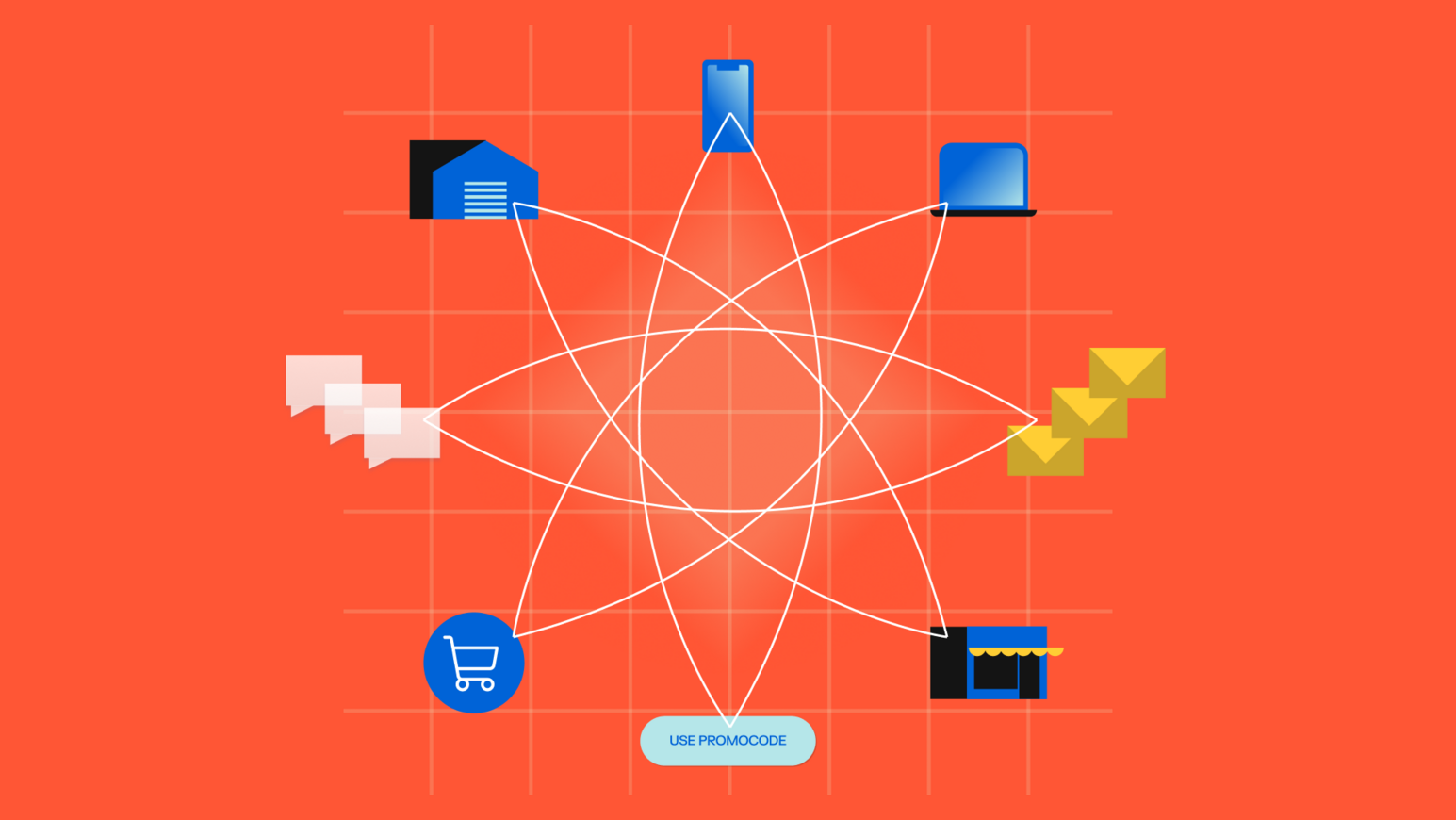
Today's customers don't stick to a single channel. They browse on their phone, order through a marketplace like Amazon, check availability on a brand's own website and expect click-and-collect to work just as smoothly as home delivery. For businesses managing high or growing order volumes, this creates a real challenge because traditional logistics setups simply weren't built for that kind of complexity.
Omnichannel fulfillment solves this by bringing every sales channel into one integrated fulfillment process. In this guide, we cover what omnichannel fulfillment actually means, how it works in practice, which benefits it delivers and why a specialist fulfillment partner like Quivo can make all the difference.
What Is Omnichannel Fulfillment?
- Omnichannel fulfillment is a holistic logistics strategy where the entire order processing workflow is managed across all channels from a single, unified system. Whether an order comes in through your own webshop, a marketplace like Amazon or eBay, social commerce on TikTok or Instagram, or a wholesale purchase from a retail partner, the full process from goods receipt and storage through picking, packing and shipping runs through one centralised operation.
The foundation of this approach is centralised inventory management. Rather than maintaining separate stock pools and fulfillment workflows for each channel, all inventory is treated as one shared resource. Every order can be fulfilled from the most suitable location, regardless of which channel it originally came through.
For larger businesses and enterprise clients, this is particularly important. If you sell through multiple routes to market while also supplying B2B customers such as wholesalers, retail chains or distributors, you need fulfillment infrastructure that can handle that complexity without compromising on service quality.
Omnichannel Fulfillment vs. Multichannel Fulfillment: The Key Difference
The terms omnichannel and multichannel are often used interchangeably, but they describe fundamentally different approaches:
- With multichannel fulfillment, a business operates across several sales channels, but each one functions independently. Your own online store holds its own stock, the Amazon listing draws from a separate inventory pool and wholesale orders are managed from yet another. This inevitably leads to inefficiencies because stock cannot be flexibly reallocated between channels when demand shifts.
- Omnichannel fulfillment takes things a step further. All channels are fully connected. Inventory data is synchronised in real time, orders flow into one central system and fulfillment follows a unified set of processes. When a product sells on your website, stock levels update instantly across every marketplace and vice versa.
For businesses with high order volumes and complex distribution structures, this integrated approach is essential. It prevents overselling, reduces warehousing costs and ensures customers experience the same availability and delivery speed no matter which channel they use.
How Does Omnichannel Fulfillment Work in Practice?
Implementing an omnichannel fulfillment strategy follows a clearly structured workflow that breaks down into several key phases.
1. System Integration and Channel Connection
Everything starts with the technical foundation. All sales channels, whether Shopify, WooCommerce, Amazon, eBay, ASOS Marketplace, TikTok Shop or your own ERP system, are connected through a central platform. This means orders flow automatically into a unified order management system rather than being manually collated from multiple sources.
At Quivo, this integration happens through the Connector, a purpose-built fulfillment software that seamlessly links over 40 shop and ERP systems. Orders converge centrally, stock is synchronised across all channels in real time and every process can be managed through a single dashboard.
2. Centralised Inventory Management
In the next step, all stock is managed as one shared pool. Every inventory movement is automatically updated across all channels. When an item sells on your website, the available stock immediately decreases on marketplaces as well. Conversely, when a returned item passes quality checks, it goes straight back into the pool and becomes available everywhere again.
For enterprise clients with thousands of SKUs and multiple warehouse locations, this centralised inventory management is a critical factor. It prevents stockouts, avoids excess inventory and creates the transparency needed for accurate planning.
3. Picking, Packing and Shipping
As soon as an order comes in, it is automatically assigned to the most appropriate fulfillment centre. From there, picking, packing and dispatch take place, whether it is a single parcel for an end customer or a pallet shipment for a B2B partner.
Quivo operates nine owned fulfillment centres worldwide and works with all major carriers. Whether it is Royal Mail, DPD, DHL, FedEx, UPS or a regional service, businesses can adapt their shipping strategy flexibly and choose the optimal carrier for every order.
4. Returns Management
An often underestimated component of omnichannel fulfillment is returns management. In a cross-channel logistics structure, it must be possible to process returns regardless of the original purchase channel. A customer who ordered online should be able to return their parcel without friction, and the returned item needs to be inspected quickly and fed back into available stock.
At Quivo, B2B and B2C returns across all channels are handled systematically, including quality inspection, photo documentation and swift restocking. This keeps the inventory cycle closed and stock levels accurate at all times.
FREE DOWNLOAD
Find plenty of additional tips and strategies for efficient multichannel fulfillment in our new e-book

Practical Examples of Omnichannel Fulfillment
To make the concept more tangible, here are some typical scenarios that show how omnichannel fulfillment plays out in everyday business.
Example 1: Fashion Brand Selling Through Its Own Store and Marketplaces
A mid-sized fashion label sells through its own online shop, on ASOS Marketplace and on Amazon UK. Instead of holding separate stock for each channel, it uses a central fulfillment centre that serves all orders from a single pool. When Amazon suddenly drives more demand than the brand's own store, inventory is reallocated automatically without any manual intervention. The result is fewer oversells, faster delivery times and a consistent customer experience across every platform.
Example 2: Supplement Brand with B2B and D2C Distribution
A supplements company supplies pharmacy chains and health food wholesalers in the B2B space while also selling directly to consumers through its own webshop. The omnichannel strategy makes it possible to serve both routes from a single warehouse. Bulk orders on pallets go out to the pharmacy chains, while individual parcels are shipped to end customers, all managed through one platform with unified stock management. Features like LOT number tracking and expiry date monitoring, which Quivo offers as standard, are indispensable for regulated products in this space.
Example 3: Beauty Brand Expanding Internationally
A UK-based beauty brand is expanding into continental Europe and the Gulf region. Rather than building a separate logistics network in every market, the business leverages an international fulfillment network with strategically positioned locations. Orders are shipped from whichever warehouse is closest to the customer, cutting delivery times and reducing shipping costs. Quivo provides exactly this infrastructure with nine locations worldwide and a partnership with Gulf Warehousing Company for access to the Middle East market.

The Most Important Benefits of Omnichannel Fulfillment for Businesses
Why is the shift to an omnichannel fulfillment strategy worthwhile, especially for larger businesses and enterprise clients? The benefits are wide-ranging and impact several areas at once.
Better Customer Experience Across All Channels
Customers today expect a seamless shopping experience, no matter which channel they order through. With an omnichannel strategy, businesses can deliver exactly that. Consistent delivery times, uniform packaging quality and flexible shipping options all contribute to higher customer satisfaction. Research shows that companies with a well-executed omnichannel strategy retain up to 89% of their customers long-term, compared to just 33% for businesses without a cross-channel approach.
Optimised Inventory Management and Lower Warehousing Costs
Centralised stock means less capital tied up in inventory. Businesses no longer need to hold safety stock for each channel separately but can serve all orders from one shared pool. This reduces overstock, avoids stockouts and lowers warehousing costs noticeably. For companies with large product ranges and high order volumes, this can make a significant financial difference.
Faster Delivery Times
By being able to ship orders from whichever location is best positioned, delivery routes shorten and so do delivery times. In a world where customers increasingly expect same-day or next-day delivery, this is a decisive competitive advantage, particularly in the UK market where speed expectations continue to rise.
Greater Operational Efficiency
When all channels run through a unified system, redundant processes are eliminated. There is only one picking workflow, one inventory management process and one reporting structure. This not only saves time but also reduces error rates and makes the entire logistics operation more predictable.
Scalability Without an Explosion in Complexity
For growing businesses, scalability is a central concern. If you want to add a new marketplace or expand into a new market, an omnichannel strategy makes that considerably easier. The new channel is integrated into the existing infrastructure without needing to build a completely new fulfillment setup from scratch.
Data-Driven Decisions
An integrated fulfillment platform delivers cross-channel data in real time. Businesses can see at a glance which channels are performing best, where bottlenecks are forming and how stock levels are developing. This transparency is the foundation for informed strategic decisions.
Challenges of Omnichannel Fulfillment

Despite the clear benefits, implementing an omnichannel strategy does present businesses with certain challenges. The complexity of integrating different systems should not be underestimated. ERP, WMS, OMS, shop systems and marketplace APIs all need to communicate with each other flawlessly. On top of that, the demands on real-time data processing increase significantly, especially when businesses are handling thousands of orders per day across multiple channels.
Returns management also becomes more complex when customers can order and return through different channels. And finally, cross-channel logistics requires infrastructure that is flexible enough to handle everything from single parcels to full pallet shipments efficiently.
- This is exactly where the choice of fulfillment partner matters most. Businesses that lack the resources or expertise to manage this complexity in-house should partner with a specialist fulfillment provider.
Why Quivo Is the Ideal Partner for Omnichannel Fulfillment:
For businesses looking for a high-performance omnichannel fulfillment solution, Quivo offers exactly the combination of technology, infrastructure and experience needed for successful implementation.
Central Control Through the Quivo Connector
The purpose-built fulfillment software, the Connector, brings all sales channels together in one platform. Over 40 integrations with popular shop and ERP systems ensure that orders converge centrally and stock is synchronised in real time. The dashboard provides full transparency over orders, inventory and delivery status at all times.
Global Fulfillment Network
With nine owned and self-operated fulfillment centres worldwide, Quivo can ship orders from whichever location is closest to the customer. Unlike many other providers who rely on third-party warehouses, Quivo's ownership of its own locations guarantees consistently high quality and full control over every process.
B2B and B2C from a Single Source
Quivo is one of the few fulfillment providers that offers B2B, B2C and D2C fulfillment all under one roof. Whether it is pallet shipments to wholesalers, individual parcels to end customers or complex marketplace deliveries, everything runs through a single infrastructure. This makes Quivo the ideal partner for enterprise clients with diverse distribution structures.
Transparent Pricing
Particularly with complex omnichannel setups, cost transparency is an often overlooked factor. Quivo relies on clear, straightforward pricing structures with no hidden fees. Businesses know from the outset how their logistics costs break down and can plan with confidence.
Trusted by Over 1,450 Businesses
More than 1,450 e-commerce businesses worldwide already rely on Quivo's fulfillment services. From emerging D2C brands through to established companies with complex B2B requirements, Quivo handles the full spectrum of fulfillment needs every single day.
How Companies Leverage Our Omnichannel Expertise to Achieve Success









Omnichannel Fulfillment as a Strategic Growth Driver
Omnichannel fulfillment is no longer an optional extra. It is a strategic necessity for businesses that sell across multiple channels and want to deliver a first-class customer experience. The benefits range from
- optimised inventory
- and faster delivery times
- to lower costs
- and significantly improved scalability.
Successful implementation requires the right technology, a high-performance logistics network and a partner that truly understands the complexity of cross-channel order processing. With the Quivo Connector as the central control hub, nine owned fulfillment centres worldwide and deep experience in both B2B and B2C fulfillment, Quivo gives enterprise clients exactly the foundation they need to implement omnichannel fulfillment successfully and achieve sustainable growth.
Sources
The Key to E-Commerce Success: https://quivo.co/uk/ecommerce-fulfilment-services/
Scalable B2B Fulfillment Services: https://quivo.co/uk/b2b-fulfilment/
Quivo Integrations: https://quivo.co/uk/all-integrations/
Logistics Software - The Connector: https://quivo.co/uk/connector/
Image sources: Canva, pixabay, Quivo © 2026
Insights into the future of scalable e-commerce logistics
ARTICLES
ARTICLES
Insights into the future of scalable e-commerce logistics


Ready to scale up?
The full logistics operations.
Let’s work together.